Discover the World of Korean Instant Noodles
What is it about a simple red packet of Shin Ramyun that has captured the global imagination? Is it the iconic spicy broth, the perfectly chewy noodles, or the way it represents a taste of Korea in every bowl? For those who consider themselves true fans, a new pilgrimage site has just appeared on the map.
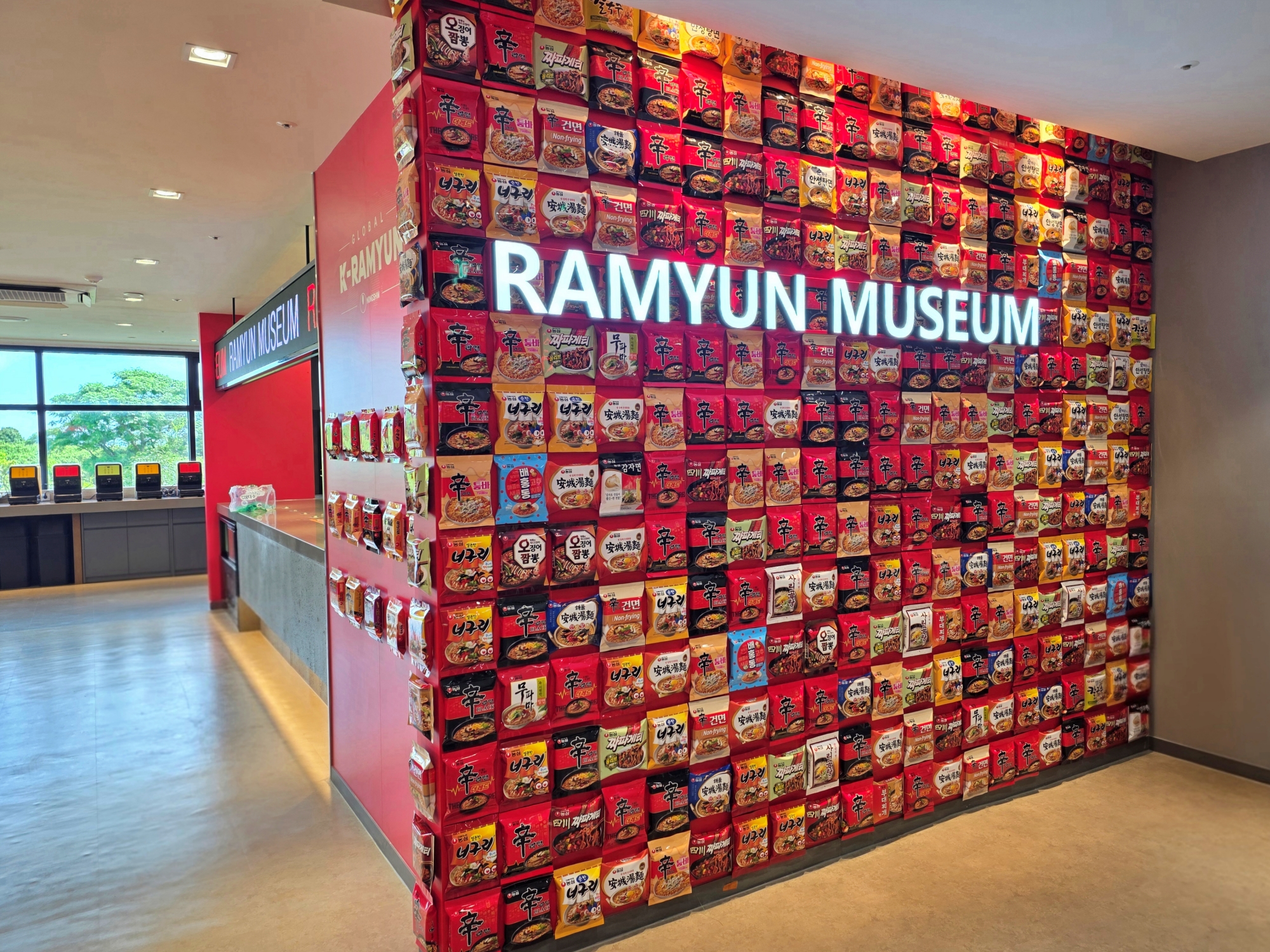
The Nongshim Seogwipo Ramyun Museum (officially known as the Nongshim Snack House) officially opened its doors on the stunning Jeju Island on January 14, 2026. This isn't just a place to eat; it's a "temple" for noodle lovers and an invitation to explore the cultural currents that have elevated K-ramen from a humble meal to a global phenomenon. If you are looking for the ultimate Shin Ramyun experience in Korea, this experiential hub is the one place in Jeju you cannot afford to miss. Let’s dive into what makes this new destination a must-visit.

Key Takeaways Box:
- Experience an immersive journey into the world of Nongshim Ramyeon culture.
- Cook your favorite Nongshim instant noodles with diverse toppings using "Hangang Ramyeon" machines.
- Explore unique photo zones blending K-Ramyeon fun with Jeju Island's iconic charm.
What is the Nongshim Seogwipo Ramyeon Museum?
At its core, the Nongshim Seogwipo Ramyeon Museum is a dedicated space for the "delicious experience" of Nongshim's celebrated instant noodles. Occupying a 330-square-meter footprint on the second floor of the Shinhwa Plaza shopping mall, it presents a curious intersection of commerce, culture, and culinary delight. Its strategic location in Seogwipo, near the Gangjeong Port, suggests a deliberate nod to international visitors, particularly those arriving via cruise ships, looking for an accessible taste of Korean culture.
The space itself is thoughtfully divided into zones, each serving a distinct purpose in the narrative of K-Ramyeon.
- The Cooking Zone: This is the heart of the experience. Here, visitors are invited to become active participants. The inclusion of "Hangang Ramyeon" instant cooking machines is a fascinating touch. It elevates the simple act of adding hot water to a ritual, mimicking the popular self-service experience along Seoul's Han River. One can choose from classics like the fiery Shin Ramyun, the savory-sweet Chapagetti, or the hearty Neoguri, and then customize the creation with an array of toppings. The promise of future menus incorporating local Jeju ingredients hints at a dialogue between the standardized global product and the unique local terroir.
- The Shopping Zone: A museum, in the modern sense, is rarely complete without a gift shop. This zone offers a library of Nongshim products and exclusive merchandise, allowing the experience to be packaged and taken home.
- Photo Zones & Exhibitions: Here, the line between museum and theme park blurs. Large-scale Neoguri characters stand alongside Jeju's iconic Dolhareubang (stone grandfather) statues, a whimsical fusion of corporate branding and regional identity. An exhibition dedicated to the 40-year history of Shin Ramyun provides the historical context, framing the brand's journey as a significant cultural arc.
K-Ramyeon's Global Phenomenon
The very existence of this museum speaks volumes about the current cultural moment. It stands as a physical monument to the soaring global popularity of K-Ramyeon, a phenomenon intrinsically linked to the broader Korean wave (Hallyu). With Ramyeon exports reaching unprecedented heights, food has clearly become one of South Korea's most potent forms of soft power.
This museum cleverly capitalizes on this zeitgeist. It transforms passive consumption—watching a K-drama character slurp noodles from a golden pot—into an active, hands-on experience. It is a pilgrimage site for the global fan, a place where the digital and fictional become tangible. By embedding this emblem of Korean popular culture within the natural splendor of Jeju Island, Nongshim creates a unique tourist proposition, a compelling synthesis of the modern and the traditional. It is a shrewd calculation that a significant number of overseas visitors are no longer seeking just history or nature, but direct engagement with the cultural products they love.
Nongshim's Journey to Global K-Ramyeon Leadership
To understand the museum, one must understand Nongshim itself. Since its founding in 1965, the company has charted a course from a domestic food producer to South Korea's largest instant noodle and snack conglomerate, with its products found in over 100 countries. This museum, then, can be seen as a new chapter in its evolution.
The prominent showcase of Shin Ramyun's 40-year legacy is telling. It anchors the entire experience in a narrative of authenticity and endurance. Shin Ramyun is not just a product; it is an icon, a consistent thread in the story of modern Korea. The museum marks a strategic pivot towards experiential marketing. It is a move beyond the supermarket aisle and into the realm of cultural engagement, an attempt to build a relationship with consumers that transcends the transactional.
A Universally Loved Concept
Perhaps one of the most interesting aspects of the museum's launch is the apparent lack of any controversy. The initial reception seems to be one of universal enthusiasm. Why is this? It could be that the concept is so inherently joyful and accessible that it defies criticism. Who, after all, would argue against a place dedicated to delicious noodles?
Yet, one might also ponder the quiet acceptance of such a thoroughly commercialized cultural space. Is this a museum in the traditional sense, or is it an elaborate advertisement one pays to enter? The lack of debate suggests a broad societal comfort with the fusion of brand identity and cultural exhibition. It seems we have collectively agreed that a corporation can, and perhaps should, be the curator of its own cultural story. For now, the Nongshim Seogwipo Ramyeon Museum exists as a cheerfully undisputed addition to Jeju's tourist landscape.
The Future of K-Ramyeon Experiences
The museum is presented not as a culmination, but as a beginning. Nongshim's vision extends far beyond the shores of Jeju.
The plan to introduce menus with local Jeju ingredients is particularly noteworthy. This move represents a sophisticated understanding of modern food culture, where global brands can gain new relevance by engaging with local ecosystems. It creates a culinary dialogue—the universal comfort of Shin Ramyun meeting the specific taste of Jeju.
Furthermore, this establishment is part of a wider global strategy. We've seen similar, smaller-scale concepts like the "Shin Ramyun Bunsik" pop-up in Peru. It seems plausible that this Jeju museum is a blueprint, a model for future experiential spaces in key tourist destinations worldwide. While no specific events have been announced, one can anticipate a lively calendar of tastings, games, and sampling events, further solidifying the museum as a dynamic cultural hub rather than a static exhibit.
FAQ Section
Q1: What exactly is the Nongshim Seogwipo Ramyeon Museum?
A1: It's an interactive museum in Jeju, South Korea, dedicated to the taste, history, and culture of Nongshim's famous instant noodles, offering cooking, shopping, and photo opportunities.
Q2: What can I do at the museum's Cooking Zone?
A2: You can select from various Nongshim Ramyeon brands like Shin Ramyun and Chapagetti, then cook them yourself using "Hangang Ramyeon" instant cookers, customizing with your preferred toppings.
Q3: Where is the Nongshim Seogwipo Ramyeon Museum located?
A3: It is on the second floor of the Shinhwa Plaza shopping mall in Seogwipo, Jeju Island, conveniently close to Gangjeong Port.
Q4: Why did Nongshim open this museum?
A4: Nongshim opened the museum to capitalize on the global popularity of K-Ramyeon, enhance its brand experience, and attract both domestic and international tourists to an immersive Korean food culture hub.
Your Essential Stop for a Taste of Korea!
The Nongshim Seogwipo Ramyeon Museum is far more than a novelty. It is a thoughtfully constructed celebration of a culinary staple, a physical manifestation of K-Ramyeon's cultural capital. It offers a unique intersection of culinary participation, brand storytelling, and regional charm against the beautiful backdrop of Jeju Island. It stands as both a testament to the global journey of Korean food and an intriguing landmark for the modern traveler.


