Incheon Pentaport Rock Festival 2026: A Visitor’s Way Into Korea’s Summer Music Season
With its final lineup public and live-club events already underway, Pentaport is making Incheon’s music scene part of the trip—not just the backdrop.
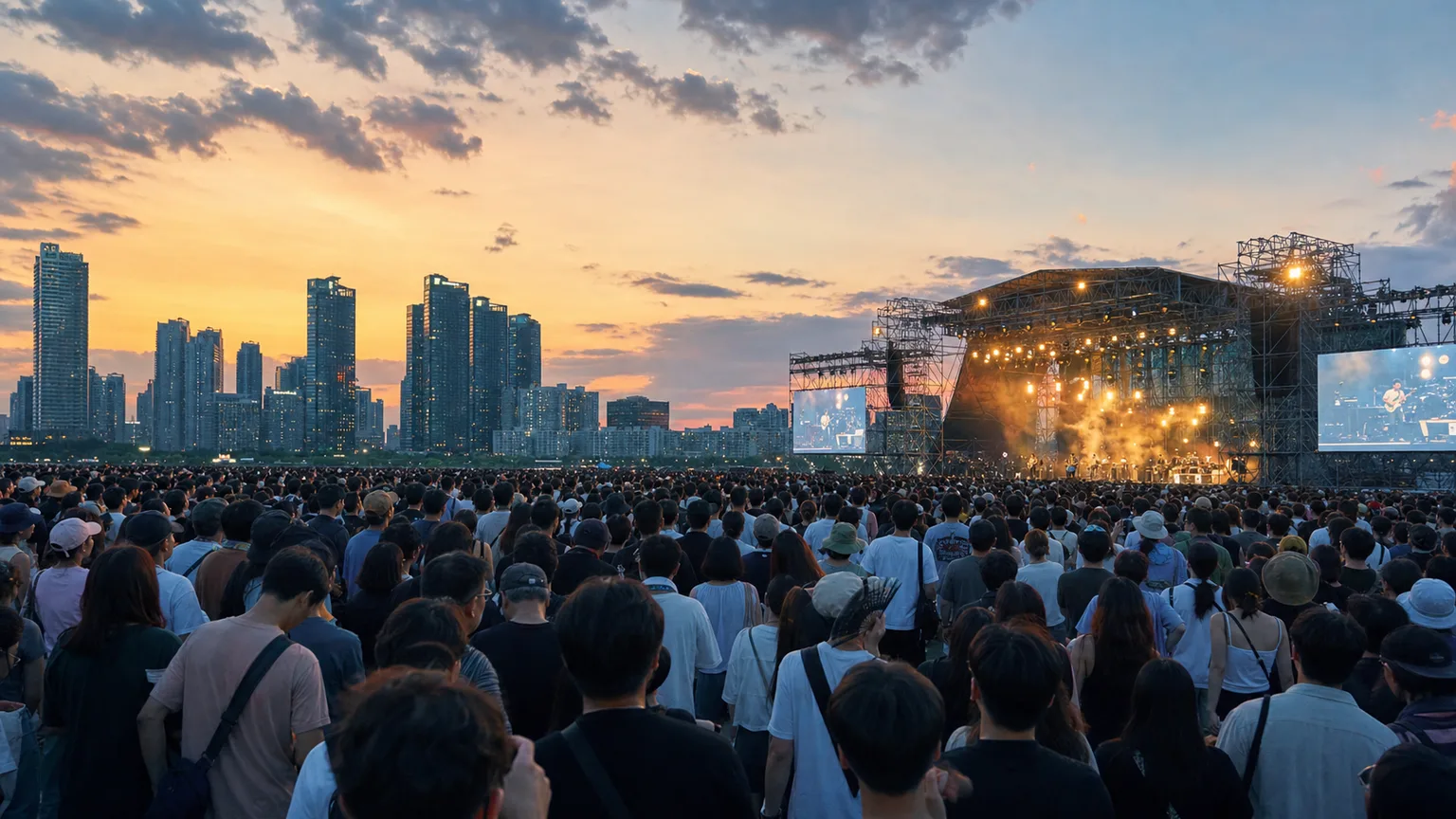
Korean music travel is often imagined through K-pop arenas and Seoul pop-ups. Incheon Pentaport Rock Festival offers another entry point: a large outdoor rock festival whose 2026 edition runs July 31 to August 2 at Songdo Moonlight Festival Park. The current news hook is real and close: Incheon’s city notice, posted July 3, confirms a 66-act program and points visitors toward a sequence of live-club parties that brings the event into local venues before the main weekend.
That is why Pentaport matters now. The final lineup has been announced, the festival is one week away, and Incheon is framing the entire period as a music-city moment. For foreign visitors, the useful story is not simply which name tops a poster. It is how a regional festival lets you meet Korean independent music, international touring acts and a planned urban district in the same weekend.
What is confirmed for 2026
The city of Incheon lists the main festival from Friday, July 31 through Sunday, August 2 at Songdo Moonlight Festival Park, with 66 Korean and international artists. The official festival notice published June 29 says eight acts were added in the final lineup, including Korean band Xdinary Heroes, Taiwan’s Flesh Juicer, Japan’s HANA and Korean artists SUMIN and Yang Jeong-hoon. That is a useful snapshot rather than a promise about set times, which can change; use the official ticketing and festival channels for the final day-by-day schedule.
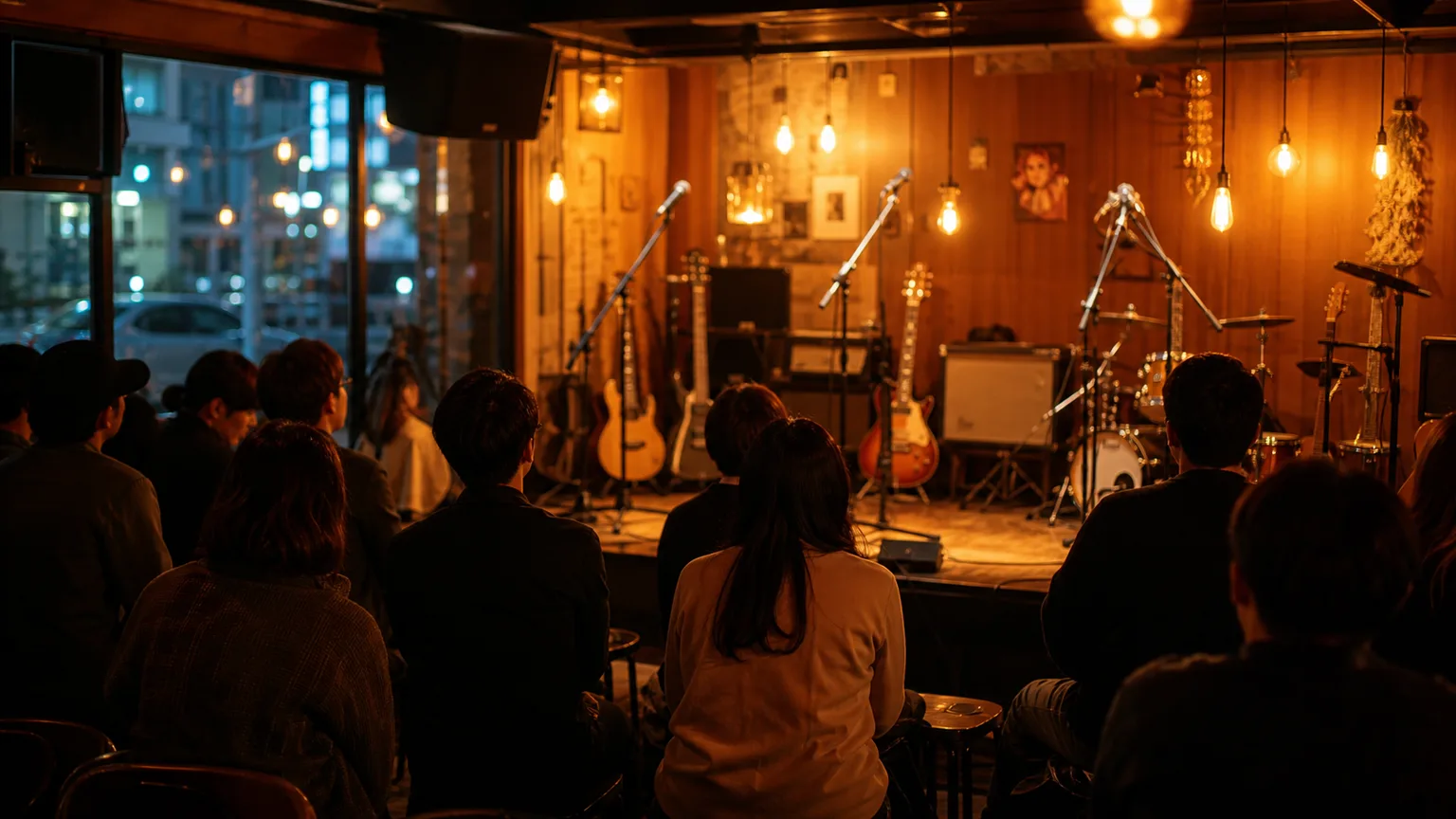
There is also a smaller-scale layer. Incheon’s notice lists Pentaport Live Club Party shows across the city in July. This matters because it places the festival in a Korean live-music ecosystem rather than treating it as a three-day imported spectacle. If the main festival is the headline, these club events show the value of moving between audience sizes and neighborhoods.
Why this festival is a piece of Korean culture
Pentaport began in 2006 and has grown into one of Korea’s flagship music festivals, according to the Korea Tourism Organization. Its setting makes the contrast especially clear: Songdo is a planned waterfront district in Incheon, about 30 kilometers west of Seoul, while the festival’s cultural identity is built around bands, discovery and the pleasure of seeing a city temporarily organized around sound.
That combination is not accidental. Korean festivals often work as city branding as much as entertainment. A program can promote local venues, tourism and cultural confidence at once. Pentaport’s stated 2026 theme, “Movement,” is about music spreading beyond the stage into people, cities and across Asia. Even if you arrive with no prior knowledge of Korean rock, that idea is easy to read on the ground: the festival asks visitors to experience Incheon as a destination with its own night life and music infrastructure.
Build some slack into your journey to Songdo and check official transport, gate and ticket guidance shortly before you go. Summer heat and rain can shape an outdoor day, so bring water, sun protection and a light rain layer. If you want the local-music angle, look for officially announced club events rather than assuming every venue is part of the program. Respect venue rules and avoid relying on fan-posted schedule graphics for final information.
How to listen beyond the main stage
A good festival itinerary has room for discovery. Before you arrive, sample a few artists from different parts of the bill rather than listening only to the names you already know. A Korean festival lineup can be a compact map of current scenes: bands, singer-songwriters, electronic-adjacent performers and guests from elsewhere in Asia or beyond. The final Pentaport announcement’s mix of Korean, Taiwanese and Japanese acts gives that idea a concrete 2026 shape.
Then keep your expectations practical. Festival culture is social, but it is not an invitation to treat every stranger as content. Ask before photographing people up close, follow rules for cameras and bags, and make a plan with friends for meeting after a set in case mobile service slows down. Those small habits make an outdoor day easier and more considerate. They also leave room for the enjoyable part: walking from one sound to another and finding an artist you did not know you wanted to hear.
Songdo adds a particular visual frame. It is often introduced to visitors through its planned urban landscape, but Pentaport asks them to use that setting differently—as a place where a large crowd can spend three nights following live music. The contrast between waterfront cityscape and amplified guitars is precisely the kind of juxtaposition that makes Korean summer cultural travel memorable. You are not being asked to choose between a city break and a music weekend; the festival makes them the same trip.
This framing matters for visitors who may otherwise concentrate every cultural plan in Seoul. Incheon is close enough to make the festival accessible, yet distinct enough to reward attention on its own terms. Treating the city as a destination changes the rhythm of the weekend: arrive early enough to orient yourself, give yourself time to eat and rest between sets, and keep a little curiosity for the spaces around the official program. The music is still the reason to go, but the city is part of what you remember afterward.
Why it is trending this week
Google Trends’ Korea “Trending Now” page was reviewed on July 24 as part of this run. Its highest active searches were not a clear Pentaport query, so it was not used as evidence for lineup or event claims. Instead, the selection is anchored in current festival reporting: the final lineup notice, the city’s July program announcement and official tourism information. This is exactly the kind of summer culture story that becomes useful in the short window between a final lineup and the first gates opening.
For travelers, that window is often where the best decisions happen. Pentaport may be a concert weekend, but it is also an invitation to see a Korean coastal city through music. That is a more durable reason to pay attention than a single viral clip. The result can be a fuller picture of contemporary Korea: not only the music that travels furthest online, but the venues, organizers and audiences that keep a live scene moving at home. It is a useful corrective to the idea that Korean popular music is consumed only through screens: this is an occasion built for shared time, changing weather and the physical scale of live sound.
Dates, venue and 66-act program: Incheon Metropolitan City, July 3, 2026. Final lineup: Pentaport official notice, June 29, 2026. Festival history and 2026 overview: Korea Tourism Organization. Google Trends was used only as a current-interest scan: Google Trends, South Korea.