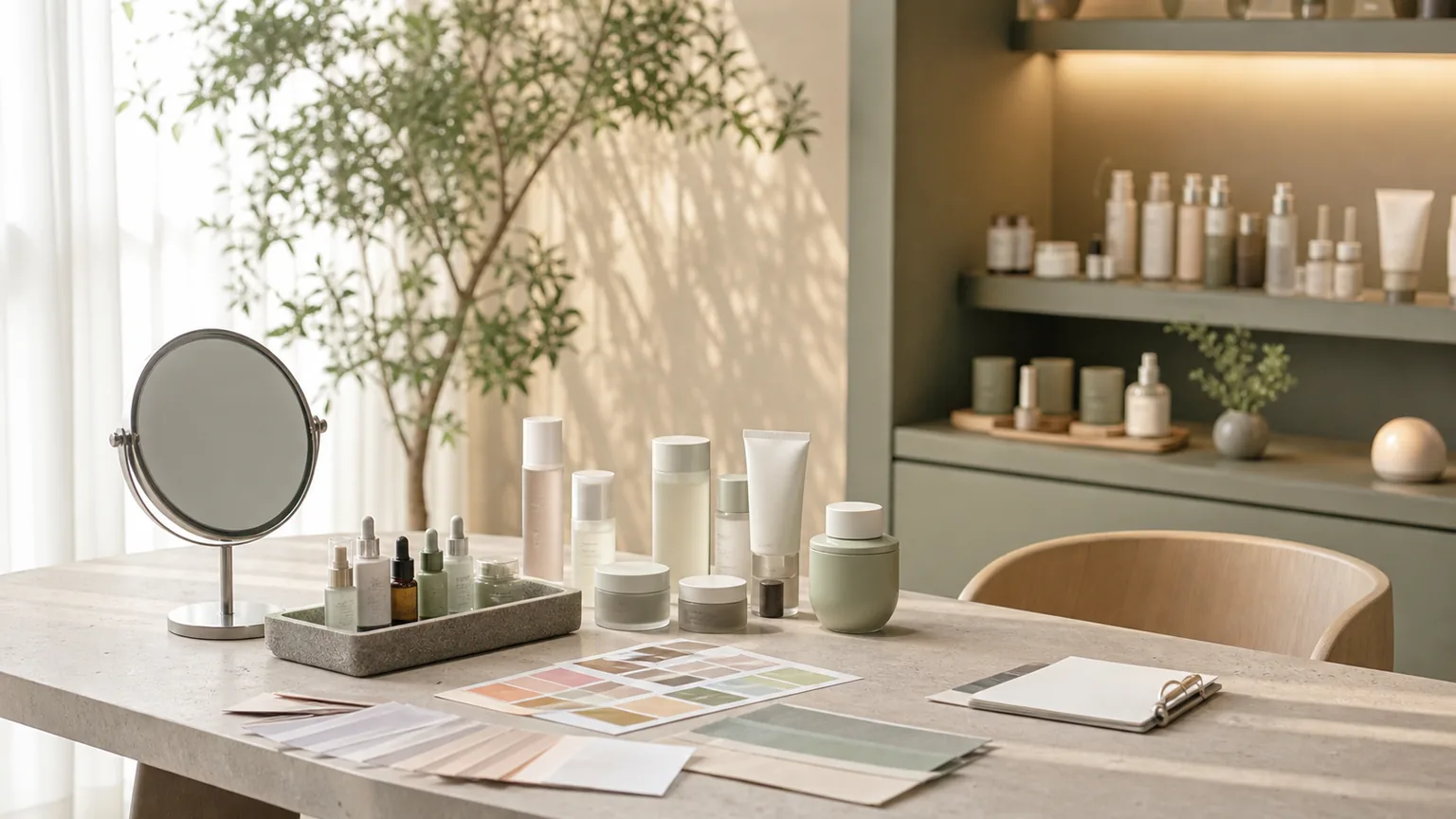
A visitor-friendly way to understand the personal-color, consultation, and careful-shopping culture behind Seoul’s current K-Beauty moment.
K-Beauty is having a very physical travel moment in Seoul. The 2026 Korea Beauty Festival has just wrapped its main June–July program, but its K-Beauty Travel Product Exhibition continues through September 30. That makes the summer a useful moment for visitors: not simply to buy a famous serum, but to see how color analysis, makeup, hair, wellness, and retail storytelling are packaged as Korean cultural experiences.
The official tourism program is the timely hook, not a claim that every visitor needs a makeover. Its value is that it puts a familiar export—Korean cosmetics—back in the city where people encounter it through consultations, pop-ups, multilingual shopping floors, and beauty services. For a first-time visitor, that context can make a small booking or a careful browse more rewarding than a rushed haul.
Why this is trending now
Tourism authorities framed this year’s Korea Beauty Festival around “All about Beauty,” with visitor-facing activities spanning skincare, makeup, hair, K-lifestyle, and wellness. The ongoing travel-product exhibition extends that invitation beyond a single festival weekend. It is a current signal that K-Beauty tourism is moving beyond the old souvenir model: visitors are being offered experiences and local navigation as well as shelves of products.
That distinction matters in Seoul. A cosmetics shop can be a simple retail stop, but a personal-color studio or an introductory makeup session asks a different question: which tones, textures, and habits fit the person in front of the mirror? Personal color, often called peoseonal keolleo (퍼스널 컬러), is popular as a styling service. Results are subjective and lighting-dependent, but the process gives visitors a concrete way into Korea’s highly visual beauty culture without pretending there is one universal standard of beauty.
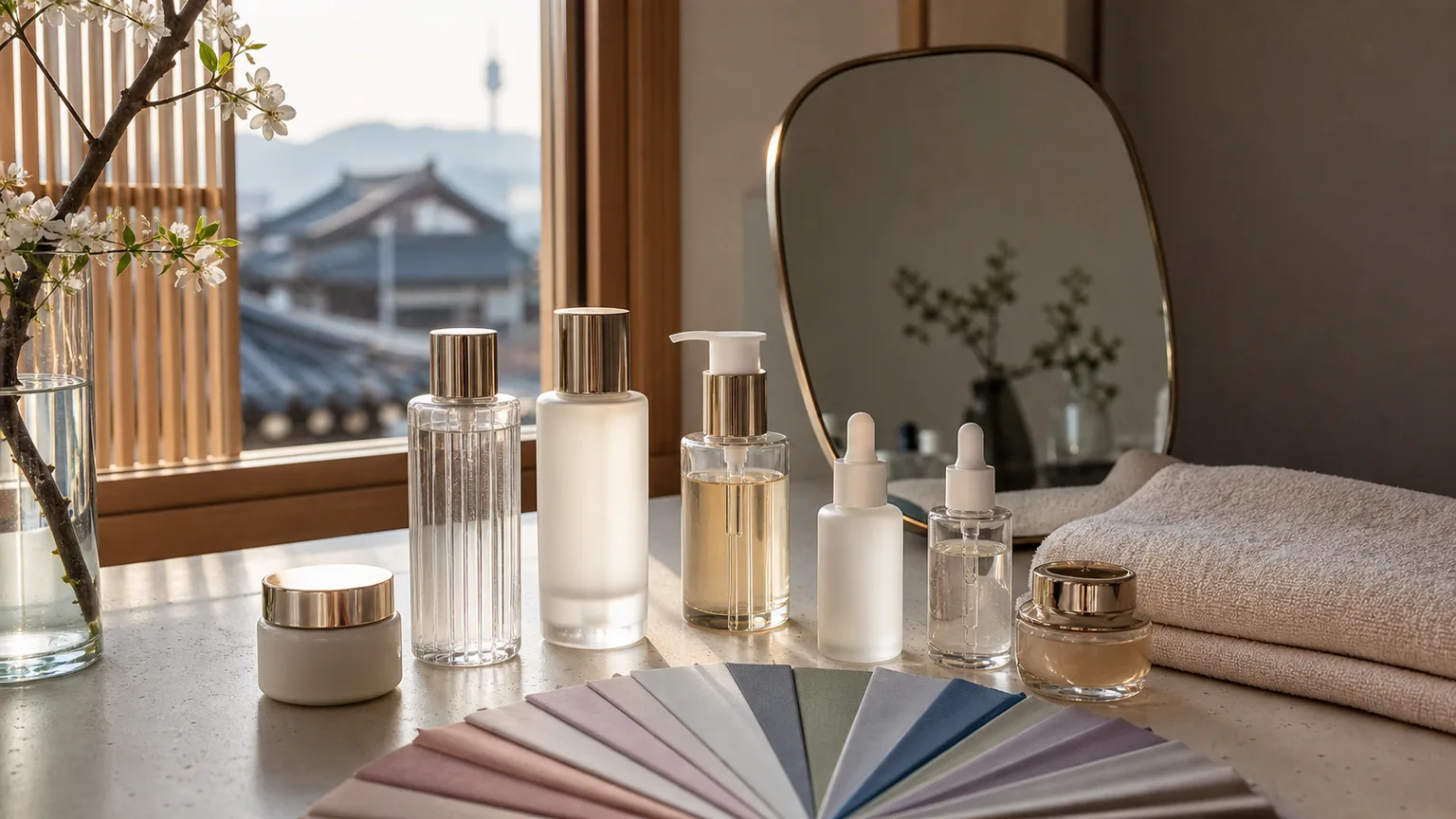
What a thoughtful K-Beauty afternoon can look like
Start by deciding whether your goal is discovery, a service, or shopping. Discovery might mean visiting the exhibition or a flagship space and learning what categories are new to you. A service could be a personal-color session or a salon appointment with clear language support. Shopping is simplest when it follows a short list: one item to replace, one category to sample, and a ceiling for impulse purchases.
In Korea, beauty retail is often organized around testing and comparison. That is helpful, but it can also feel fast. Ask for a tester where available; note the exact product name and shade; and take a photograph of the ingredient label if you need time to translate it later. A staff recommendation is useful as a starting point, not a diagnosis. If you have a skin condition, allergies, or a concern about mixing active ingredients, a qualified clinician is the appropriate source of advice.
Choosing a consultation without overpromising
Beauty services are easiest to enjoy when the expected outcome is clear. A personal-color session may compare drapes near the face and suggest color families for clothing or makeup. A makeup lesson may focus on technique and product texture. A hair appointment may be about cut, styling, or color. None of these services can guarantee confidence, solve a medical concern, or make a particular social-media look work for every person. Tell the provider your language needs, the amount of time you have, and whether you prefer a low-pressure consultation.
It is also sensible to ask what is included before booking: Is there a printed or digital result? Will the session involve product purchases? Is there a cancellation policy? A clear answer protects your time and lets the appointment stay enjoyable. Visitors who prefer not to book can still use the same idea in a shop—compare a few colors, take notes, then leave without buying on the spot.
The most useful K-Beauty souvenir may be a clearer sense of what you actually enjoy using—not the longest receipt.
Context: why beauty is such a visible part of Seoul life
K-Beauty is not one look or one routine. It is an umbrella for Korean cosmetics, service culture, product design, online reviews, and fast-moving retail. The tourism framing of the 2026 festival deliberately includes hair, makeup, skincare, lifestyle, and wellness rather than reducing the subject to a single trend. For foreign visitors, that breadth is more informative than copying a multi-step routine from social media.
Seoul’s neighborhoods add another layer. Department-store beauty floors, road shops, independent studios, and temporary pop-ups operate at different speeds and price points. The shared habit is comparison: people discuss texture, finish, color, and convenience in detail. You do not have to adopt the language perfectly. A few practical questions—“Is there fragrance?”, “Can I see the shade in daylight?”, and “What is the return policy?”—are enough to shop more deliberately.
For gifts, practicality usually wins over volume. Choose something that is easy to pack, has a clearly understood use, and is appropriate for the recipient. Avoid assuming their skin type or preferences. Products are not souvenirs only because they are Korean; they are personal items. A short, well-chosen list will travel better and make it easier to remember where each item came from.
A simple visitor plan
- Before you go: check the official exhibition and venue information; confirm opening times and whether an appointment is required.
- At a service: say what you want from the session and avoid sharing medical assumptions as though they were cosmetic preferences.
- At checkout: keep receipts, confirm any tax-refund procedure with the retailer, and leave new products sealed if you may need to return them.
- Afterward: introduce only one unfamiliar product at a time and patch-test first.
How to use the 2026 moment without chasing hype
The exhibition running through September is a reason to plan, but not a reason to overbuy. Use it to learn the vocabulary, compare services, and notice how Korean beauty businesses turn routine acts—choosing a lip color, receiving a haircut, checking a skin-care texture—into an experience. That is the cultural takeaway worth carrying home.
For visitors who are curious but cautious, the best itinerary is modest: one official stop, one service only if it suits you, and a short shopping list. Seoul’s beauty scene is most enjoyable when it feels like informed exploration rather than pressure to transform yourself.