
A current box-office story is a useful doorway into Korea’s theatrical moviegoing culture—without confusing a hit with a travel checklist.
“Korean film” appeared among Google Trends’ live searches in South Korea this week, and the timing has a clear cultural anchor: Hope, the new feature from director Na Hong-jin, has been leading the local box office. Korean Film Biz Zone’s daily chart placed it at No. 1 on July 23, while current coverage described a strong opening run. For visitors who follow K-content, that is more than a ranking—it is a chance to understand why seeing a film in Korea still feels like a shared city activity.
This is not a spoiler guide or a claim that every traveler should choose a genre film. It is a practical explainer for people who see the title in Korean feeds and want the context. Na Hong-jin is known internationally for intense, carefully constructed thrillers, and the Associated Press reported that Hope premiered at Cannes after a decade since his previous feature, The Wailing. That long gap and the festival attention help explain why the release has become a current talking point.
Why Hope is the immediate signal
The Korean Film Council’s English-language film portal lists Hope at the top of its July 23 daily box-office results. That is the firm, current fact behind this article. The broader conversation draws on the film’s Cannes presence and Na’s reputation; neither needs embellishment. A number-one local film can concentrate discussion across reviews, entertainment coverage, and social media, especially when it comes from a director whose previous work has an established international following.
The Google Trends signal should be read as interest, not evidence of quality or a substitute for a source. It simply shows that Korean users were searching the category at the same time that the box-office story was unfolding. For an overseas reader, the combination is useful: a live local-search cue plus an official chart makes a stronger “why now” case than hype alone.
What this says about Korean moviegoing
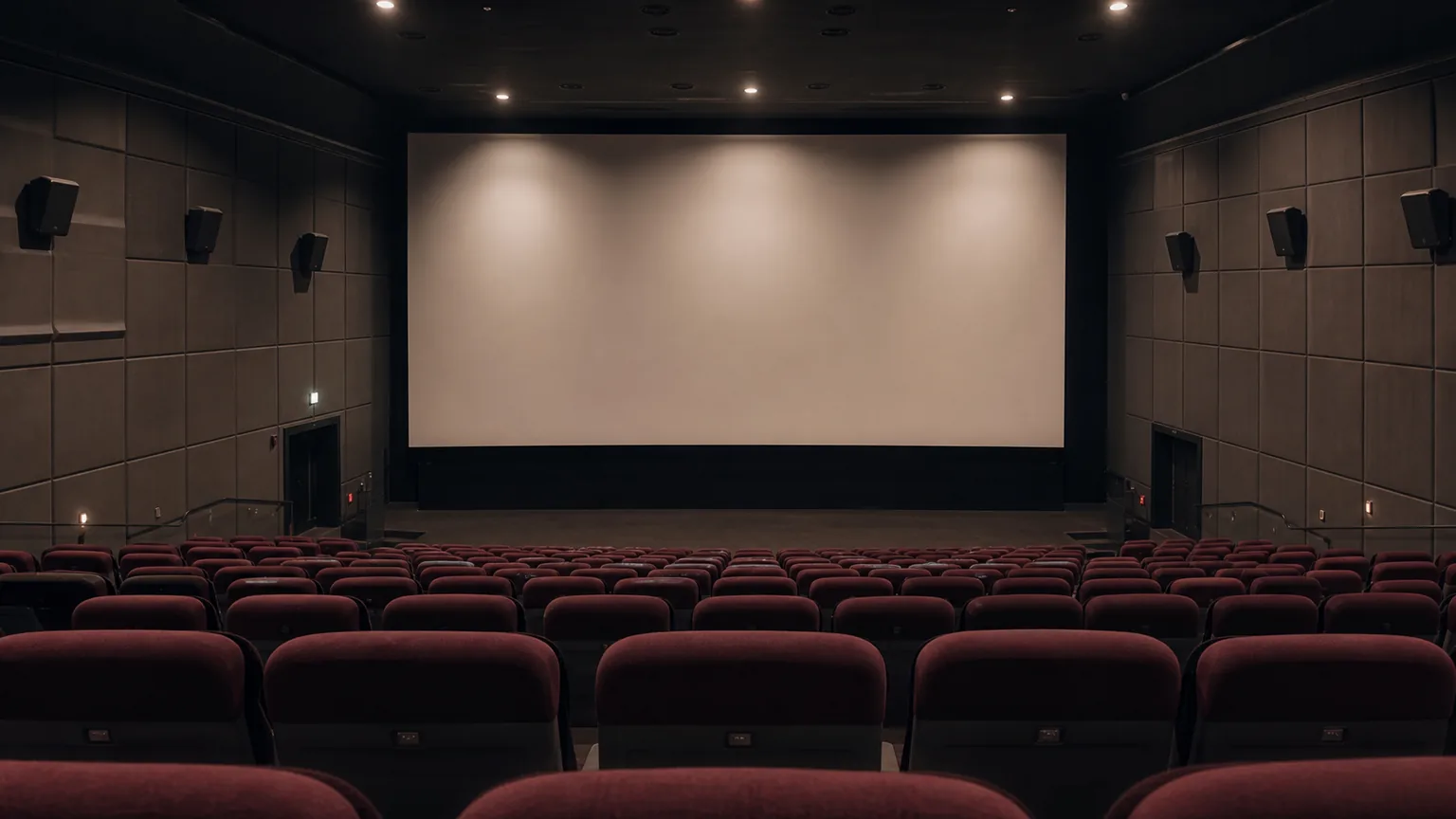
Korean cinema is often encountered abroad through streaming, awards season, or a famous title such as Parasite. In Seoul and other Korean cities, the theatrical experience adds another layer: a current release becomes a time-sensitive choice alongside cafés, exhibitions, and dinner plans. Multiplexes are commonly embedded in shopping districts and complexes, which makes an evening screening easy to pair with the rest of a day out.
That does not mean the cinema is identical to a universal “K-culture” experience. Audiences choose films for many reasons—stars, director, genre, reviews, convenience, and who they are meeting. The value for visitors is observing the normality of it: a highly globalized screen culture expressed through local schedules, local reviews, and Korean-language promotion.
Use the title as a doorway, not a shortcut
It is tempting to treat one current hit as a summary of a national cinema. That approach flattens the variety of Korean films and the people who make them. Better questions are smaller: What kind of director is attracting attention? Is the title playing in a venue you can access? What other films by the same director or performers might provide context later? Those questions turn a transient trend into a personal viewing path without making claims the chart cannot support.
For visitors, the Korean Film Biz Zone is a useful factual starting point because its daily results make the date visible. Read a position together with its date. A movie at the top of a chart on July 23 may have a different place a week later, and that is normal. The point is to recognize that a local box office changes in real time, just as a restaurant queue or an exhibition program does.
A box-office hit is a snapshot of a conversation happening now, not a verdict on what every visitor ought to watch.
How to see a film responsibly as a visitor
Begin with the cinema’s official listing. Look for the original-language description and any indication of subtitles; do not assume that an English-language website means every screening has English captions. If your Korean is limited, choose a title you are comfortable following visually or wait for a confirmed subtitle screening. Arrive with time to find the auditorium—large cinema complexes can be part of a mall and may require an elevator or escalator change.
Respect the basic cinema etiquette you would use anywhere: silence phones, follow the rating guidance, and avoid recording the screen. Concession choices vary, but the activity is more interesting when you do not reduce it to a novelty. The goal is simply to join a current local leisure option with the same courtesy you would bring to a gallery, concert, or neighborhood restaurant.
If you decide not to see Hope, the trend can still improve your trip. Look at the listings around your neighborhood, notice how posters and showtimes are presented, or choose a museum, independent screening, or streaming watch later instead. Cultural travel does not require consuming every headline. It benefits from paying attention to what people are discussing and then choosing an activity that suits your own access needs and interests.
A short Korean-cinema plan
- Check the date: box-office positions change daily, so treat July 23’s chart as a snapshot, not a forecast.
- Check access: confirm rating, subtitle availability, runtime, and seat choice on the cinema’s official page.
- Read context afterward: a review or director interview can be more useful after viewing than plot summaries beforehand.
- Explore wider: use one hit as a starting point for Korean films across genres and eras, rather than a rule for what Korean cinema is.
Why the context matters for K-content fans
Travel interest in Korea often starts with a screen: a drama location, a K-pop performance video, or a director’s earlier film. Current theatrical releases add a small but real sense of shared time. You may not experience a title exactly as a Korean-speaking local does, yet noticing which works are in the news and checking what is actually available gives the trip more texture.
Hope is a good example because its attention rests on verifiable events: a recent Cannes premiere, a current top daily box-office position, and a recognizable filmmaker. That is enough. There is no need to turn a chart into a grand claim about the entire industry. For the visitor, the useful takeaway is modest: Korean film is not only a catalog to stream later; it is an active part of everyday cultural choice right now.