Gamjatang: The Spicy Korean Pork Bone Stew Taking the World by Storm!
In the grand theater of global cuisine, Korean food has made a spectacular entrance, captivating palates with a narrative woven from spice, fermentation, and profound comfort. Leading this charge is a dish less about fleeting trends and more about soulful substance: Gamjatang. This iconic Korean pork bone soup, currently rising in popularity overseas!, transcends the simple definition of a meal. It is a cultural artifact, a bowl of history, and a communal experience. Let us delve into the rich tapestry of this beloved stew, exploring its journey from the fields of Korea to the dining tables of the world.
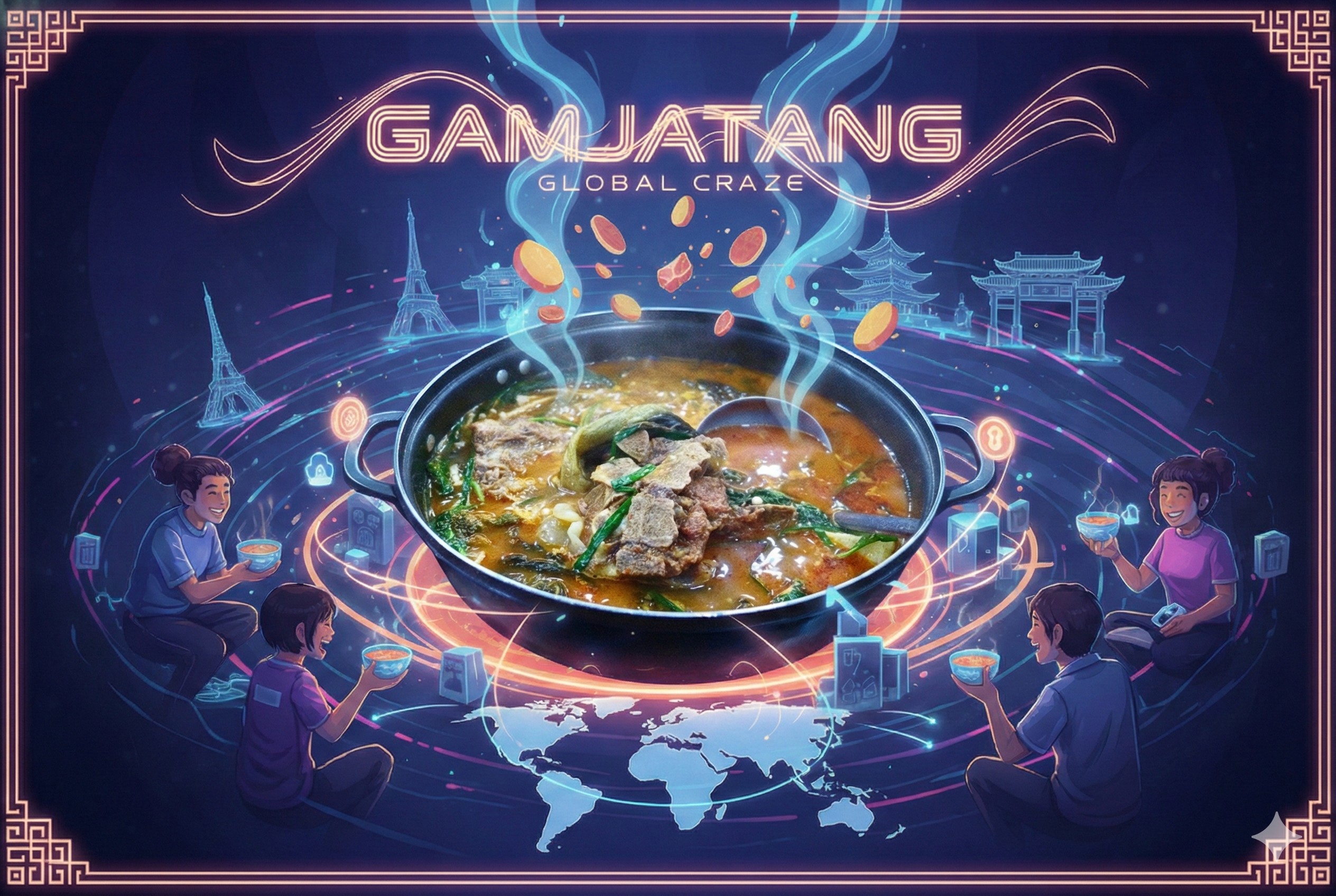
Key Takeaways
- Gamjatang, a resourceful dish originating from the pig-farming region of Jeolla Province, has a deep-rooted history as a nourishing, high-energy meal for laborers.
- Its unique alchemy of savory pork bones, a spicy and complex broth, and comforting vegetables has positioned it as a global comfort food sensation.
- Propelled by the cultural momentum of the "K-Wave" and strategic culinary adaptations, Gamjatang is embracing innovation while steadfastly maintaining its authentic, soul-warming appeal worldwide.
What is Gamjatang?
To understand Gamjatang is to understand a certain philosophy of Korean cooking—one of patience, depth, and using every part of the animal.
- A Korean Culinary Gem: At its core, Gamjatang is a hearty, spicy Korean stew. Its foundation is built upon pork neck or spine bones, which are not merely ingredients but the very soul of the dish.
- Signature Ingredients: The cast of characters in this culinary drama is distinct and vital.
- The Bones: The protagonist is undoubtedly the pork spine or neck bones, slow-cooked until the meat is arrestingly tender, practically melting away from the bone.
- Vegetables & Aromatics: A robust supporting cast includes hefty chunks of potato, wilted napa or young cabbage (ugeoji), pungent perilla leaves, sharp green onions, and the foundational duo of garlic and ginger.
- Flavor Powerhouses: The broth's character is sculpted by gochugaru (Korean chili flakes) for heat, doenjang (fermented soybean paste) for umami depth, gochujang (chili paste) for a touch of sweet spice, and crucially, ground perilla seeds (deulkkae-garu), which impart an essential nutty, earthy flavor that is the dish's true signature.
- The Perfect Broth: The magic lies in the simmering. Hours of patient cooking transform water into a rich, milky, and profoundly flavorful broth, imbued with collagen and marrow from the bones. It's a testament to the idea that time is the most crucial ingredient.
- Traditional Preparation Snapshot: The process is a ritual. It begins with the meticulous cleaning and parboiling of the bones to ensure a clean taste, followed by a long, slow simmer to build the broth's foundation, and finally, the careful layering of seasonings and vegetables to create a harmonious final product.
Gamjatang's Global Craze
What propels a dish from a local favorite to an international phenomenon? For Gamjatang, the reasons are as complex and layered as its flavor.
- From Local Favorite to International Sensation: Once confined to the neighborhoods of Seoul, its bubbling cauldrons are now a familiar sight in the Korean enclaves of Toronto's GTA, the bustling streets of London, and the culinary scenes of Japan and China.
- What Diners Are Saying: The global chorus of approval is remarkably consistent.
- Patrons praise it as "delicious, flavorful, and rich," marveling at the deep, savory character of the broth.
- It's universally described as "hearty and filling," a perfect antidote to colder climates and a hungry stomach.
- Its spice appeal is a significant draw, with an adaptable heat level that can be customized from a gentle warmth to an "extra spicy" challenge for the adventurous.
- Diners celebrate the communal spirit of sharing a large, bubbling pot, a social ritual that turns a meal into a bonding experience.
- And, of course, there is its well-earned international reputation as the ultimate hangover cure—a warming, restorative elixir that seems to mend the soul.
- The Driving Forces Behind Its Appeal:
- Unique Flavor Profile: It occupies a singular space on the palate—the savory pork, the sharp kick of chili, and the unmistakably earthy, slightly minty notes of perilla create a complex symphony.
- Comfort Food Status: It is the culinary equivalent of a warm embrace—nourishing, substantial, and deeply satisfying.
- Nutritional Perks: In an age of wellness, the natural collagen and minerals extracted from the bones, paired with vitamins from the vegetables, add a layer of functional appeal.
- Affordability & Value: It remains a dish that offers a substantial, high-quality meal for a reasonable price.
- The "K-Wave" Effect: The global fascination with K-Pop and K-Dramas acts as a cultural gateway, sparking a genuine curiosity for the everyday foods that fuel its stars and characters.
- Adaptability: The dish demonstrates a remarkable flexibility. The emergence of "Halal Gamjatang" using lamb bones is a brilliant example of its ability to cross cultural and dietary lines without losing its essential character.
A Journey Through Time
Every dish has a story, and Gamjatang's is one of resourcefulness and social history.
- Humble Beginnings in Jeolla Province: Its genesis lies in the southern Jeolla Province, a region historically known for its extensive pig farming. The stew was born not in a palace kitchen, but from the pragmatic wisdom of farmers seeking to utilize every part of the animal.
- Nourishment During Scarcity: In leaner times, pork bones were an economical way to create a high-energy, nutrient-dense meal to fuel long days of labor.
- The "Gamja" Mystery: A fascinating linguistic footnote is the debate over its name. While "gamja" means potato in Korean, the name "Gamjatang" is widely believed to refer to a specific part of the pork spine called the "gamja-bone," whose knobby shape resembles a potato. The potatoes, while now essential, were likely a later addition.
- Fueling a Nation: The dish's popularity surged beyond its rural origins around 1899. It became the go-to meal for laborers constructing the Gyung-ui Railway in Incheon, cementing its status as a hearty, fortifying food for the working class.
Adapting an Icon
When a dish travels, it invariably changes. This evolution sparks a conversation about authenticity, a concept that is itself fluid and contested.
- The Authenticity Question:
- Ingredient Substitutions: Abroad, the traditional pork neck bones are sometimes swapped for more readily available pork ribs. Perilla leaves and powder, often difficult to source, are sometimes omitted.
- Flavor Integrity: Does a Gamjatang without the nutty, earthy notes of perilla powder truly capture the essence of the dish? It's a valid question for purists.
- General Sentiment: These adaptations are largely viewed not as controversial corruptions but as practical adjustments for accessibility, allowing more people to experience a version of the dish.
- Name Game: The "gamja-bone" versus "potato" debate continues, a charming linguistic quirk that underscores the dish's layered history.
- Serving Styles: In Korea, Gamjatang is predominantly served in large, communal pots. Overseas, however, the single-serving version—often called bbyeo haejangguk (pork bone hangover soup)—is more common, reflecting a subtle shift from a shared family meal to an individual dining experience.
- A Harmonious Exchange: Notably, the global spread of Gamjatang has been remarkably free of major cultural appropriation controversies, suggesting a genuine, widespread appreciation for the dish on its own terms.
The Future of Gamjatang
The journey of Gamjatang is far from over. Its future appears to be one of continued growth and dynamic innovation.
- Expanding Horizons: We can anticipate its continued expansion into new international markets as the global appetite for Korean cuisine intensifies.
- Culinary Innovation:
- Fusion Flavors: Expect to see creative integrations with local ingredients, leading to Gamjatang-inspired spicy casseroles or soups that pay homage to the original while speaking to a local palate.
- Modern Twists: Chefs may explore different cuts of pork, or even beef. Vegetarian versions, built on rich mushroom broths, are emerging, as are popular additions like ramen or glass noodles.
- Strategic Marketing & The K-Food Craze:
- Gastrodiplomacy: The South Korean government actively promotes its cuisine as a form of soft power, and Gamjatang is a perfect ambassador.
- "Unofficial Embassies": Korean restaurants abroad function as crucial cultural outposts, introducing the dish to new audiences.
- Leveraging Pop Culture: The continued integration of Korean food into K-Dramas and celebrity culture will undoubtedly attract younger, curious diners.
- Global Production: Major Korean food companies are establishing overseas facilities, using local ingredients to recreate authentic recipes on a larger scale.
- Targeted Outreach: Participation in cultural festivals like KCON, strategic brand differentiation, and presence at major sporting events will further embed the dish in the global consciousness.
- Convenience Factor: The availability of high-quality frozen and pre-made meal kits makes it easier than ever for home cooks to experience Gamjatang.
- Health & Word-of-Mouth: Promoting its nutritional benefits and relying on the power of peer recommendations will continue to be significant drivers of its popularity.
FAQ Section
- Q1: What is the main ingredient in Gamjatang?
- A: The star of Gamjatang is definitely pork spine or neck bones, which are slow-simmered to create a rich broth and tender meat.
- Q2: Is Gamjatang always very spicy?
- A: While traditionally known for its spicy kick, Gamjatang's heat level can be adapted. Many restaurants offer milder versions, and the spice can be adjusted when cooking at home.
- Q3: Why is it called "Gamjatang" if "gamja" means potato?
- A: The name "Gamjatang" is widely believed to derive from "gamja-bone," referring to the knobby pork spine bones, rather than "gamja" for potato, despite potatoes being a key ingredient.
- Q4: Can I make Gamjatang at home if I can't find all the traditional ingredients?
- A: Yes! While traditional ingredients like perilla leaves and neck bones are ideal, many recipes offer practical substitutions, such as pork ribs and alternative leafy greens, allowing for delicious home-cooked versions.
Savoring the Global Rise of Korean Comfort
From its humble origins as a resourceful farmer's meal in Jeolla to a worldwide culinary phenomenon, Gamjatang, rising in popularity overseas!, has demonstrated an appeal that is both timeless and universal. Its unique synthesis of hearty flavor, comforting warmth, and a spirit of communion has captivated food lovers across continents. As the K-Wave continues its global surge, this spicy pork bone stew stands as a delicious, steaming invitation into the rich and satisfying world of Korean cuisine.