ILLIT: Tracing the Path from Their Survival Roots to Superstardom
The churn of the K-pop industry is a relentless, fascinating machine. It manufactures stars, crafts narratives, and presents perfectly polished products to a ravenous global audience. Into this crucible, in 2024, stepped ILLIT, a group whose very name—a portmanteau of “I Will” and “It”—suggests a self-determined destiny. Yet, their journey has become a curious case study in manufactured authenticity, viral success, and the inescapable shadow of corporate machinations. To understand ILLIT is to examine the very architecture of modern K-pop stardom.
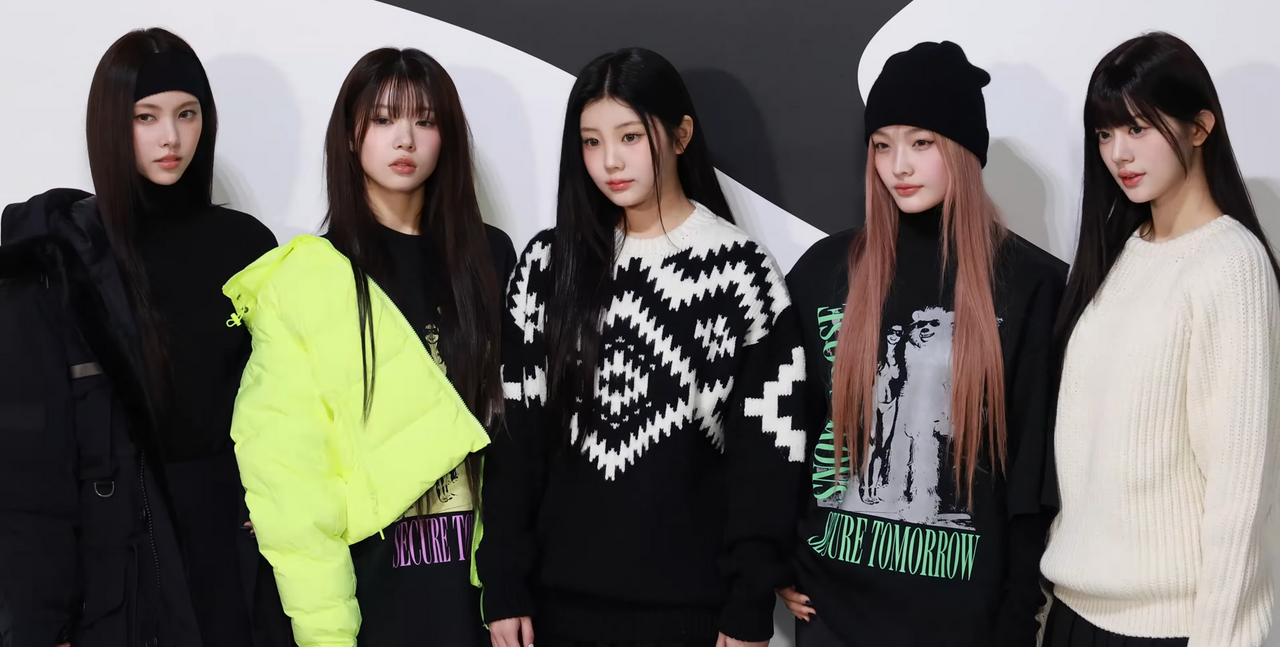
Who is ILLIT? Meet the New Kids on the K-Pop Block!
At first glance, the formula is familiar. Five members—Yunah, Minju, Moka, Wonhee, and Iroha—forged in the fires of a survival show, JTBC’s R U Next?. As a creation of Belift Lab, a subsidiary of the HYBE empire, their pedigree was impeccable. The objective was clear: find the next premier girl group for a corporation that had already redefined the genre. Yet, even before their official unveiling, the curated narrative showed its first hairline crack. The departure of Youngseo, a final lineup member, just before debut, served as an early reminder that the path to stardom is rarely as smooth as the final music video.
Their stated concept was a deliberate pivot from the complex, lore-heavy universes of their predecessors. ILLIT was to be about “authentic teenage feelings” and “relatability.” This is, in itself, a fascinating strategic choice. Is it a genuine artistic direction, or is it the most sophisticated lore of all—the performance of unfiltered reality? They presented a vibrant, pop-centric aesthetic, leaving the door open for a deeper mystique to emerge later. The mission was not to build a world for fans to enter, but to reflect the world fans already inhabited.
From Survival Show to Chart-Toppers: ILLIT's Speedy Ascent
The velocity of ILLIT’s ascent was nothing short of breathtaking, a testament to the power of the HYBE launchpad. Before a single note of their music was officially released, they were already global fashion figures, making a historic appearance at Paris Fashion Week. It was less a debut and more a coronation, a signal to the industry that a new power player had arrived.
Then came the music. Their debut EP, Super Real Me, released on March 25, 2024, was fronted by “Magnetic,” a track that seemed less like a song and more like a perfectly engineered viral phenomenon. It was an earworm of the highest order, and it did its job with ruthless efficiency. The records began to tumble: they became the fastest K-pop act to enter the UK Official Singles Chart and the prestigious Billboard Hot 100 with a debut song. Billboard itself christened them the first-ever “K-Pop Rookie of the Month.” The industry followed suit. Major endorsement deals with global brands like Acne Studios, Crocs, and Bioderma materialized almost overnight. ILLIT wasn't just on the charts; they were suddenly everywhere, their success seemingly instantaneous and absolute.

The Stormy Side of Stardom: Controversies and Criticisms
But in the world of K-pop, light casts a long shadow. The most significant storm cloud to gather over ILLIT was the damning accusation from Min Hee-jin, the CEO of fellow HYBE sub-label ADOR and the creative mind behind NewJeans. In a move that ignited a firestorm, she publicly accused Belift Lab of making ILLIT a direct "copycat" of her own group. Suddenly, everything was under a microscope: the long, straight hair, the naturalistic makeup, the whimsical choreography, even the strategy of their formation. The label "NewJeans clone" took hold in online discourse, a difficult-to-shed moniker that questioned the group's very originality.
This was compounded by wobbles in their live performances. K-pop demands a punishing standard of perfection, and early encore stages, where raw vocals are more exposed, drew harsh criticism. Cries of “weak” and “shaky voices” echoed across fan communities, sparking a wider debate about the efficacy of HYBE's vocal training programs. The group's B-side track, “Lucky Girl Syndrome,” was also ensnared in plagiarism whispers, with listeners noting melodic similarities to American rock band The Wreck’s “Favorite Liar.”
These artistic critiques were amplified by the fact that the members became unwitting pawns in the explosive HYBE-ADOR corporate feud. They were caught in a brutal crossfire, subjected to intense online vitriol that reportedly took a significant emotional toll. Every misstep, real or perceived, was magnified: seemingly rehearsed, “AI-like” answers at their debut showcase; lingering fan suspicions about the fairness of the R U Next? voting; a brief but telling social media gaffe where their official account followed a NewJeans-bashing profile. The "HYBE Privilege" that afforded them a Paris debut now seemed like a double-edged sword, inviting a level of scrutiny as intense as their success.
Navigating the Waves: Current Opinions and Album Vibes
The public square remains divided on ILLIT. For their dedicated fanbase, the appeal is clear and potent. The music, particularly “Magnetic,” is celebrated as “cute,” “catchy,” and irresistibly “addictive.” This camp has also championed the group's noticeable improvements in live vocal stability, framing it as a narrative of resilience and hard work. But the controversies fueled a persistent "hate train" from other fandoms, making it difficult to discuss the group's merits without the conversation veering into the territory of imitation and corporate politics.
Musically, their trajectory shows a group in search of its definitive sound. Super Real Me was a dreamy, blissful pop confection. Their second mini-album, I'LL LIKE YOU, offered a smoother, more vocally-focused cute concept. By their third mini-album, 'bomb', they were embracing a "magical girl" theme, a possible strategic move to carve out a more distinct aesthetic niche away from the comparisons that had plagued their debut. Their growth is undeniable, a testament to their efforts to answer their critics not with words, but with more captivating choreography and stronger performances.
What's Next for ILLIT? Glimpse into Their Glittering Future
As we stand here in early January 2026, ILLIT's schedule shows a machine operating at full throttle, intent on solidifying their place in the industry. After a busy 2025 that saw the release of their second mini-album in October and the domestic single "NOT CUTE ANYMORE" in November, a new comeback album is slated for mid-June. Their "ILLIT GLITTER DAY" fan concerts, which sold out in Seoul and ran successfully in Japan, demonstrated a formidable and growing live audience.
https://youtu.be/x_RYZsOfpKY?si=Vd1jPr8Ol7_535vt
A Blend of Magnetic Success and Lingering Shadows
ILLIT's story is thus a complex tapestry. Their rise was meteoric, powered by an undeniably perfect pop song and the immense resources of a super-corporation. Yet this success has been perpetually asterisked by questions of authenticity, the sting of public criticism, and the collateral damage of a bitter corporate war. They have shown admirable resilience, diligently honing their craft in the public eye.
The ultimate question remains. Will ILLIT fully transcend their turbulent origins? Can they, through sheer talent and evolving artistry, shed the "copycat" label and forge an identity that is uniquely their own? Their journey is a microcosm of the modern K-pop paradox: an art form built on dreams and human connection, yet governed by market strategy and unforgiving public scrutiny. Their future, glittering and uncertain, is just beginning to unfold.