K-Beauty · retail-to-routine analysis
Dr.Groot’s Sephora Rollout Puts Korean Scalp Care in the Frame
A Korean brand’s August move into 400-plus U.S. stores is less a reason to chase a bottle than a useful clue about where K-Beauty is widening its vocabulary.
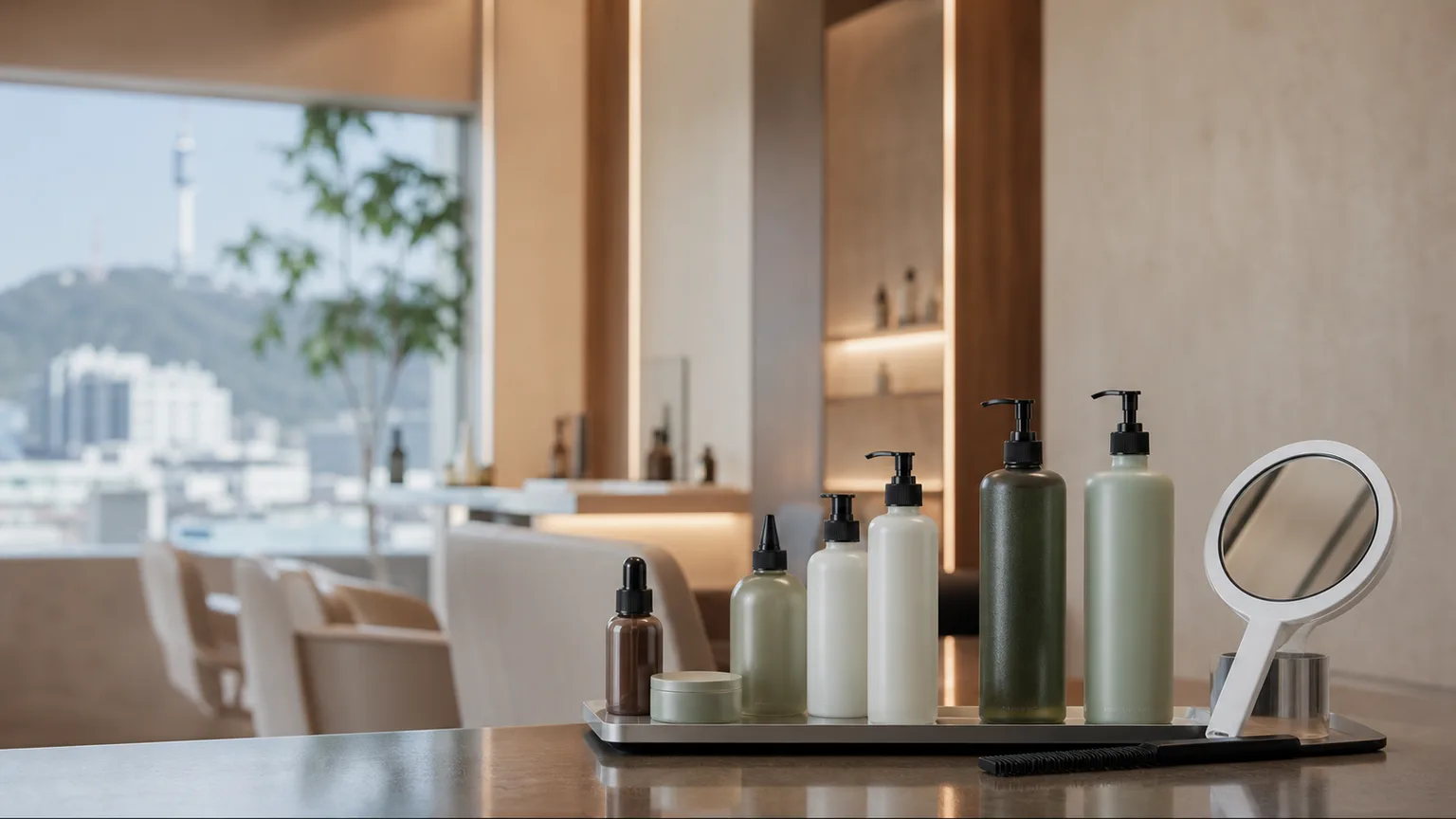
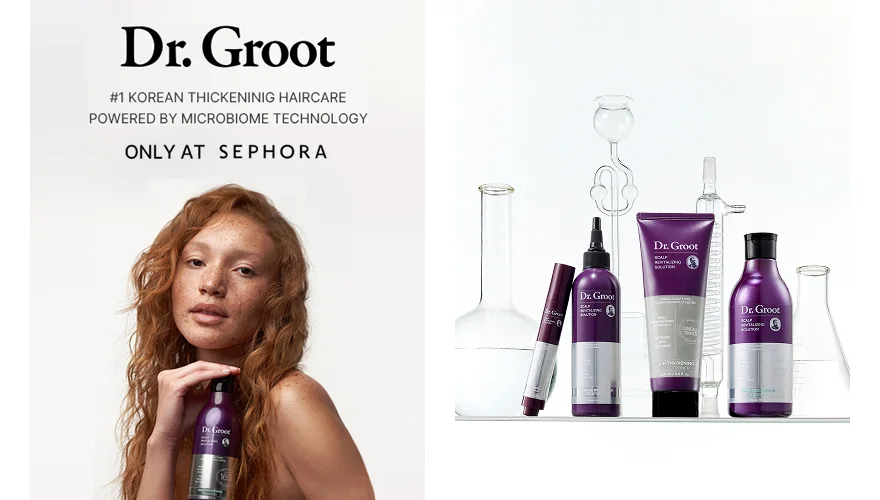
For years, the international shorthand for K-Beauty has been a shelf: cleansers, essences, sunscreen and sheet masks. This August, a different kind of shelf is the news. LG Household & Health Care says its premium scalp-care brand Dr.Groot is due to complete a U.S. Sephora rollout to more than 400 stores, following online entry in March and a smaller pre-launch in about 90 key stores. The timetable comes from LG H&H’s Korean-language release and was independently reported in Korean by Electronic Times and Newspim.
LG H&H’s 1 June release confirms the pre-launch in about 90 key North American Sephora stores ahead of an August launch in more than 400 U.S. stores. It describes the “Hair Tower” as a special display for Dr.Groot’s SRS line—useful evidence of a staged retail rollout, not evidence that a salon or product can diagnose or treat a medical condition.
The facts do not establish that one brand represents every Korean routine, nor do they prove that a cosmetic product treats a medical condition. They do show a distribution change: a Korean company is putting a scalp-care line into a specialist beauty environment normally associated, for many overseas shoppers, with skincare and makeup discovery. That makes the rollout a better story about category boundaries than about a miracle ingredient.
Two ways the category is being presented
| Verified setting | What a reader can reasonably infer |
|---|---|
| Dr.Groot entered Sephora online in March 2026, tested a “Hair Tower” format in 90-plus key U.S. stores, and is scheduled for 400-plus U.S. stores in August. | The overseas proposition is retail discovery: a hair-and-scalp line is being placed where shoppers compare beauty categories. |
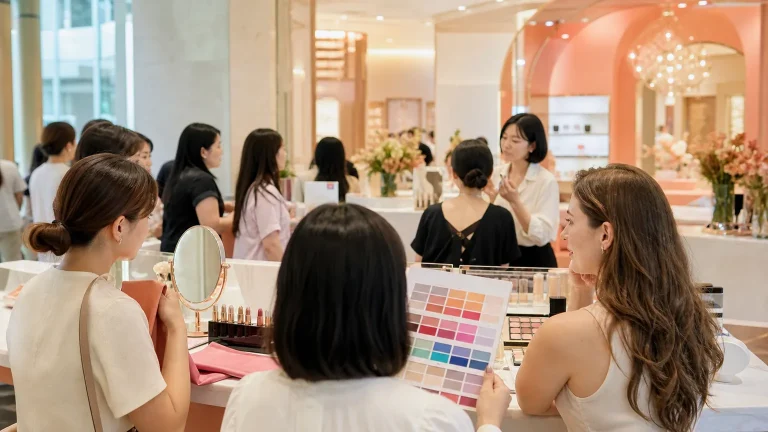
| The official 2026 Korea Beauty Festival at Seoul’s HiKR Ground included beauty self-assessment, scalp diagnosis and hair-styling experiences. | Korea’s visitor-facing beauty programming can frame scalp care as consultation and styling, not merely as a take-home product. |
That second setting matters. The official Korea Beauty Festival information described scalp diagnosis and hair styling among the HiKR Ground experiences held from June 24 to July 19. This was a finite programme, not proof that every Seoul salon works the same way. Still, it helps explain a local habit of talking about the scalp as part of an overall grooming conversation: condition, styling preference and hair appearance may be discussed together.
How to read the Korean context without turning it into a prescription
The most useful translation is not “Korean scalp care is better.” It is that retail, salon service and beauty content can meet around a consultation mindset. A visitor who wants to explore the category in Seoul can ask a salon or store what the service actually includes, whether an English consultation is available, what the aftercare involves and whether a product is intended for cosmetic cleansing, styling or a particular consumer preference. If your scalp is irritated or you have a persistent concern, a beauty counter is not a substitute for professional medical advice.
A practical etiquette point: it is fine to ask about a service, but do not treat a staff member’s casual recommendation as a diagnosis. State sensitivities plainly, ask to see the product information, and patch-test a new cosmetic item as directed. Seoul’s official visitor guidance also notes that small etiquette efforts are generally appreciated; a simple “thank you” and patience while staff check an English explanation go a long way.
A bookable Seoul example: JUNOHAIR MyeongdongStreet
JUNOHAIR MyeongdongStreet Branch, in central Myeongdong, is a practical option for foreign visitors: its English-facing booking site offers head-spa consultations and multilingual assistance. The branch’s Korean service page describes an 18-step scalp-care programme tailored by scalp type, with elements that may include a consultation, cleansing or scaling care, steam or mask care and therapy massage.
That can make it easier to explain dryness, sensitivity or oiliness in English and agree a salon service before it begins. Ask which listed steps are included in your appointment, whether an English-speaking stylist is available at the selected time, and what the service can—and cannot—address. A head spa is a cosmetic salon experience, not a medical diagnosis or treatment.
What the rollout changes—and what it does not
Dr.Groot’s expansion is not a reason for travelers to schedule a beauty trip around a U.S. retail launch. It is a signal that an aspect of Korean beauty culture is becoming easier to encounter outside Korea. For people who do visit Seoul, that can make the local version easier to understand: the interesting question is not whether you can buy the same category at home, but whether a Korean consultation, service menu or styling conversation gives you a more precise way to choose.
There is a useful distinction here. Sephora’s 400-plus-store rollout is a verified business event. The broader claim—that scalp care is becoming a more visible K-Beauty language—is an interpretation supported by that rollout and the recent Seoul festival programming. Keep those levels separate, and the trend becomes more useful: not a mandate to adopt someone else’s routine, but an invitation to ask better questions about your own.