Everland’s Panda Name Vote Is a Lesson in Korean Affection
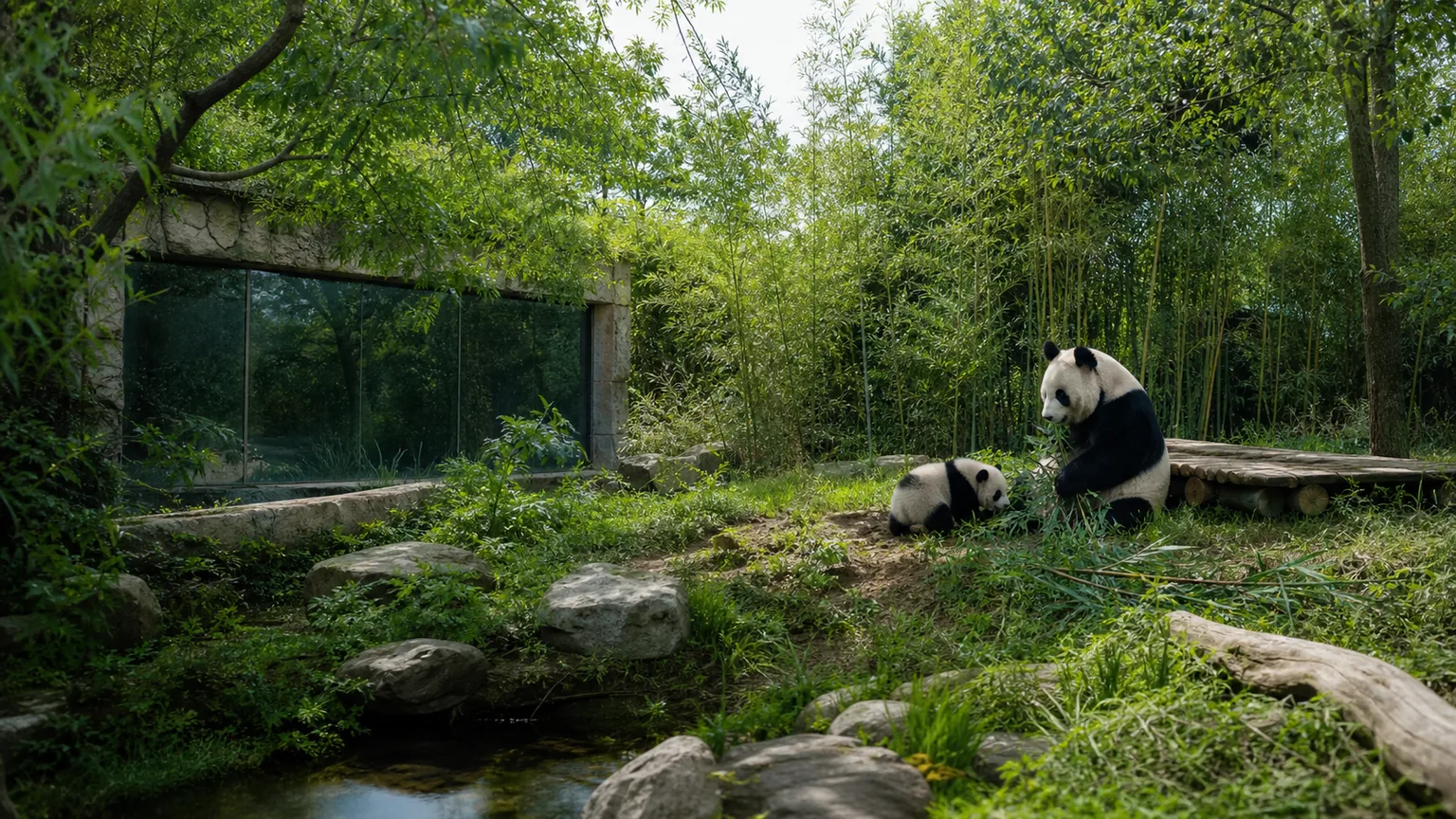
At Everland’s Panda World in Yongin, a female cub born on June 3 became the fourth giant panda born in Korea through natural breeding. In July, Everland invited the public to propose her name and explain its meaning through its official channels. That is a small piece of current zoo news; it is also a useful window into how Korean audiences often turn care into a shared, highly specific act of attention.
Like many cultures, names hold profound significance in Korea. Looking back on my experiences, while the family name is certainly important, people often place even greater weight on the meaning behind one’s given name, which serves as a symbol of their true identity.
This is why, in Korea, naming a newborn baby is rarely done lightly. The task is often entrusted to the grandfather—as the respected elder of the family—or to a renowned professional namer. It stems from the deep-rooted belief that a name has the power to shape a person’s destiny.
In this light, holding a public naming contest for a newborn panda—and having the chance to give it a name—goes far beyond a simple marketing event. It signifies the creation of a truly special bond between the panda and myself (or the visitors who participate).
The contest followed the family’s established naming pattern. Everland explains that Fu Bao means “treasure that brings happiness,” while Rui Bao and Hui Bao mean “wise treasure” and “shining treasure.” A name proposal therefore asks for more than a cute sound. It asks participants to fit an animal’s story into a compact meaning, a familiar Korean habit in naming, gift-giving language and fan messages.
What the vote is really asking people to do
Everland’s Korean-language release and Samsung C&T’s English newsroom both place the name event after the cub’s early health checks, rather than presenting her as an instant attraction. The operator reported a birth weight of 171 grams and said public introduction would be decided only after the cub’s health and adaptation were monitored. That sequence matters. The public is being invited to follow a process, not to demand access to a newborn.
For overseas readers, the useful interpretation is not that every Korean visitor reacts the same way. It is that a large online audience has learned the Bao family through repeated, official updates: birth, growth, names, keepers and milestones. The emotional vocabulary is affectionate, but the practical frame is patient observation. In this case, the contest used official YouTube, Instagram and a Naver fan community, and requested an explanation alongside each suggestion—an unusually visible example of how a mainstream Korean fandom can combine participation with a rule-bound format.
How a visitor can read Panda World respectfully
It is tempting to arrive looking for a viral moment. A better approach is to treat Panda World as a living-animal space first and a cultural phenomenon second. Check Everland’s current operating information before travelling, because the cub’s public schedule was not fixed in the announcement. If a viewing area is busy, keep your voice low, do not tap on glass, avoid flash photography, and follow staff directions rather than trying to recreate a clip seen online. Those choices are not merely good zoo manners: they match the restraint Everland itself described while the cub was still developing.
A family story that travels beyond the park
The naming story arrived alongside a separate campaign in which the twins Rui Bao and Hui Bao were used to introduce six Korean regions through local destinations, food and travel experiences. The connection is revealing: the newest cub’s name is a close, domestic ritual; the older twins’ travel narrative turns familiar characters into a route across Korea. For a traveller, that distinction is more useful than treating the pandas as generic mascots. One story asks you to slow down and follow care; the other can be a prompt to look beyond Seoul.
Everland’s original announcement also notes that Fu Bao was born in 2020 and the twins in 2023. The repeated milestones help explain why this family has become cultural shorthand for many Korean viewers. The interpretation here is editorial, not a claim about every fan: the popularity is sustained less by a single spectacle than by serial attention to ordinary development over time.
If you follow the next chapter, use Everland’s official update for the cub’s naming and development details, and treat any unofficial timetable as provisional. The point of the story is not to collect a perfect photo. It is to understand why a name, carefully chosen and publicly explained, can feel like a shared form of welcome in Korea.