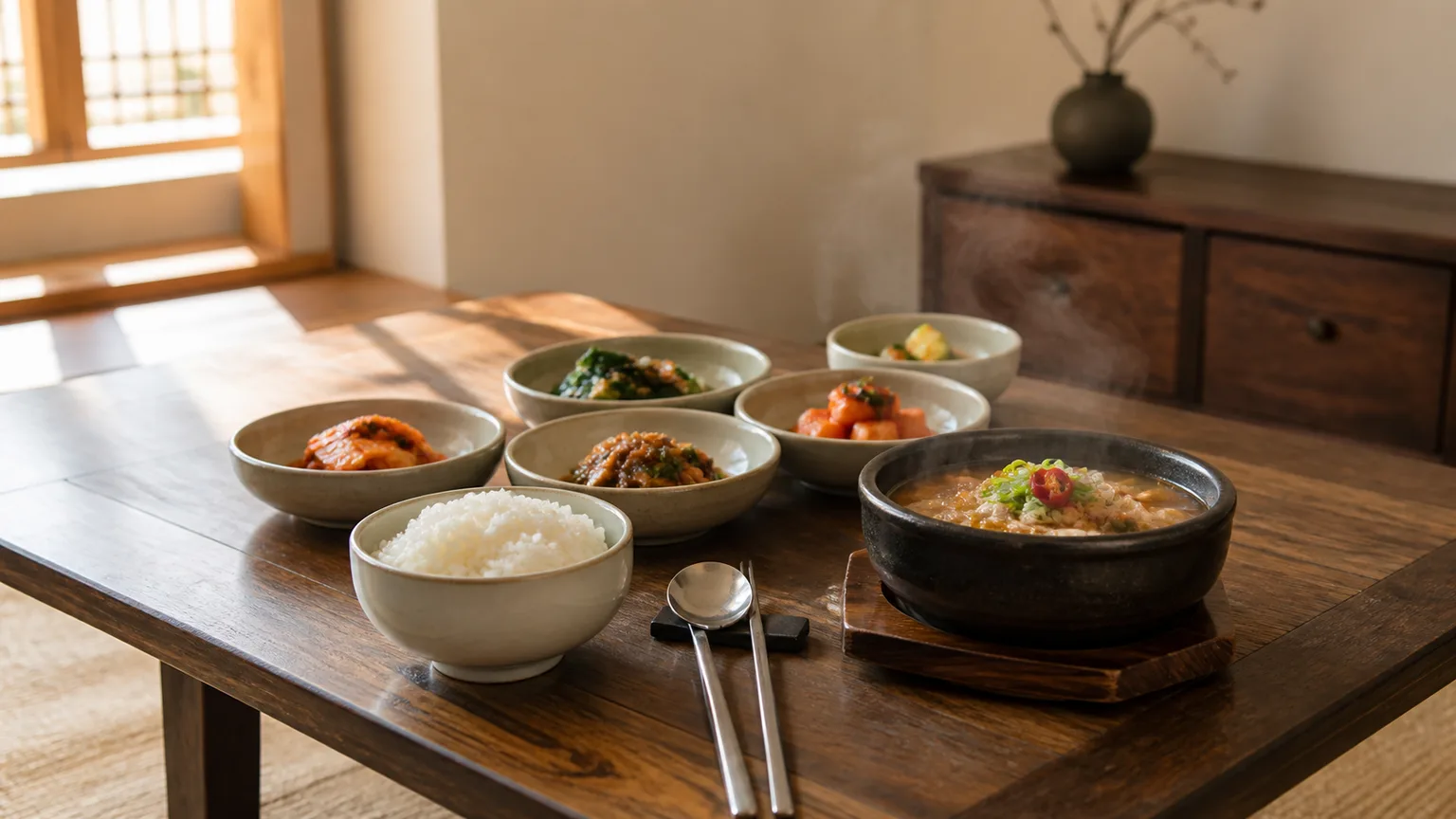
A Korean table is less a set of individual plates than a small shared landscape. Rice and soup anchor each diner, while banchan—side dishes—create choices that can be combined differently from bite to bite. That distinction is easy to miss when a restaurant table fills at once, but it is the useful key to reading a meal without reducing it to a checklist of famous dishes.
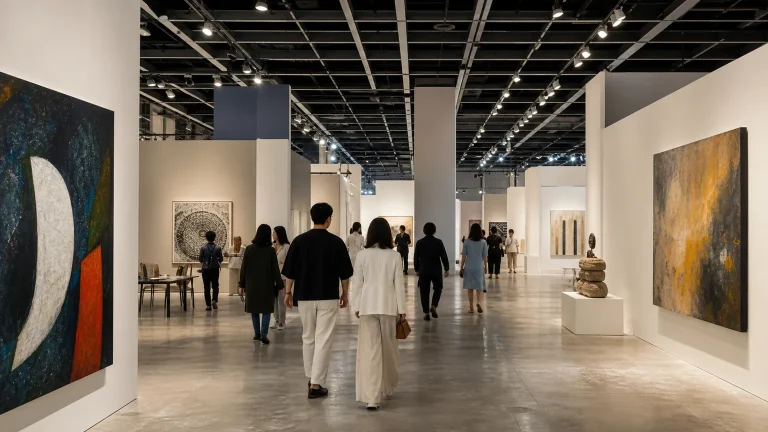
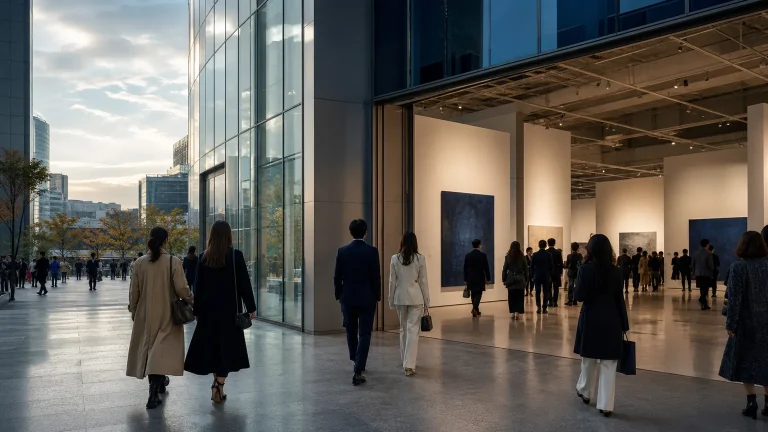
The National Museum of Korea has made that everyday structure unusually visible in The Korean Table: Food, Nature, and Life, on view in Special Exhibition Gallery 2 through October 25, 2026. Its Korean-language presentation describes the show as an exploration of the meaning and value of tables shaped by life and nature, with about 420 objects including a group of vessels excavated from King Muryeong’s Tomb. This is a cultural lens, not an attempt to turn every restaurant meal into a historical reenactment.
Editor’s On-Site Visit Note: English wall labels are available throughout the gallery, and English leaflets can be picked up at the entrance. While the daily 16:00 docent tour is offered in Korean only, English speakers can download the free National Museum of Korea mobile app. Using Bluetooth beacon technology, the app automatically triggers location-based English audio commentary as you navigate the exhibits. (Be sure to bring your own earphones.)
Read the table before you order
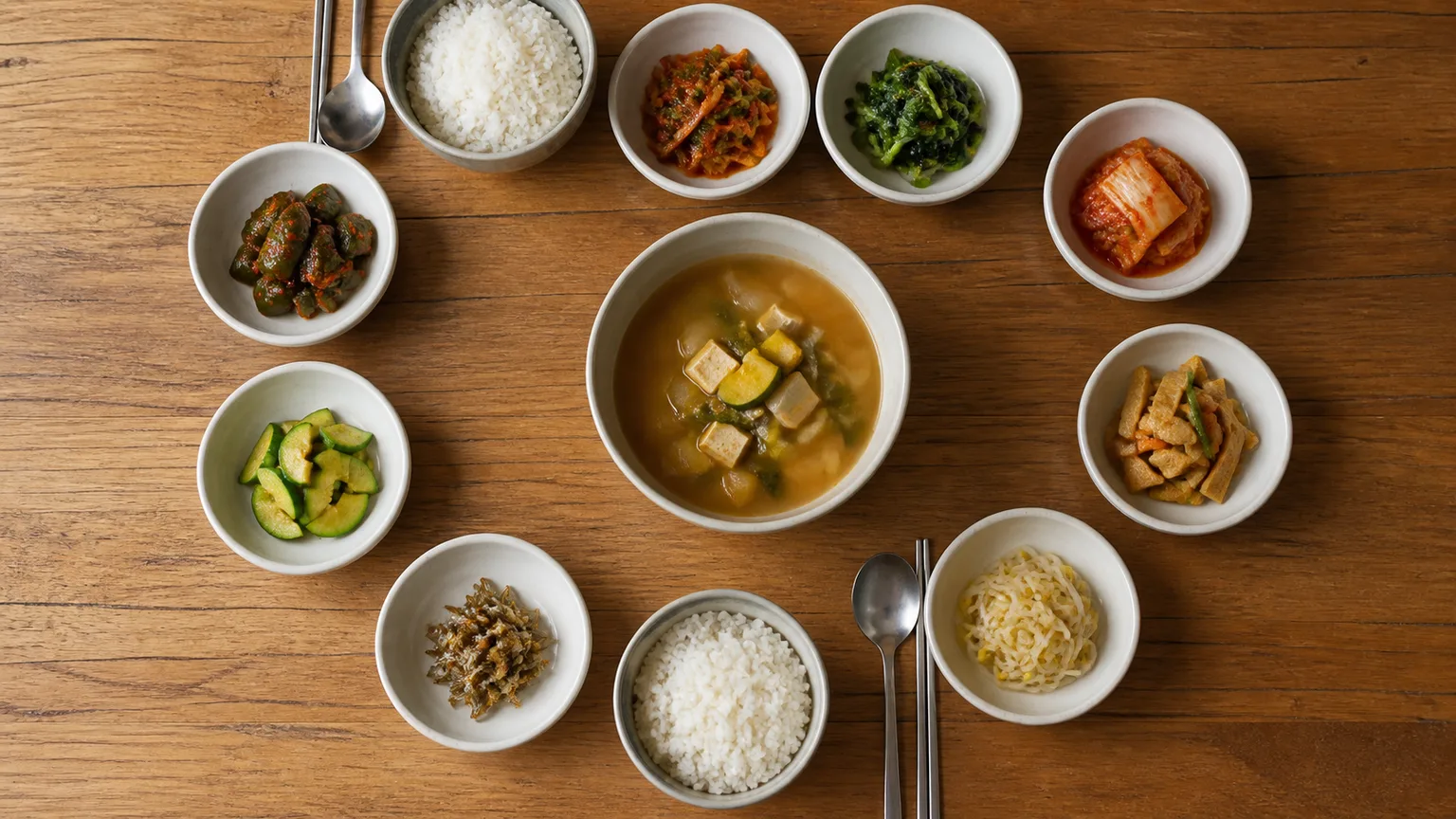
VisitKorea describes the common format plainly: multiple dishes appear on a sang, a dedicated dining table, and the arrangement is called han sang charim. The practical point is not that every establishment follows one fixed layout. It is that a Korean meal can offer several dishes at the same moment rather than a sequence of courses. In a casual baekban-jip (rice-and-side-dish restaurant), that means it is normal to alternate rice with whatever banchan suits the moment.
| What a visitor may see | A more useful reading | A considerate response |
|---|---|---|
| Several small dishes arrive together | They are part of the meal’s shared rhythm, not decorative starters waiting for a strict order. | Take a modest portion at a time; if serving utensils are provided, use them. |
| A spoon beside metal chopsticks | Korean meals commonly use the pair known as sujeo; the spoon has a central role with rice and soup. | Use the spoon when it is the easier tool rather than treating chopsticks as a test. |
| One table with guests of different ages | Formality changes with the occasion; meals with elders can carry more deference than a casual peer dinner. | Watch the host’s pace and follow the table rather than performing rigid rules. |
The table above is a decision aid, not a claim that Korea has one universal dining script. The Korea Tourism Organization notes both the multi-dish table and the practical role of the spoon; its guidance also makes clear that Korean restaurant formats now include self-service water, side dishes, and ordering systems. Context matters: a solo lunch, a barbecue table, a family invitation, and a formal meal ask for different levels of attention.
Etiquette is mainly about not making the meal harder for others
The most durable visitor rule is modesty rather than ceremony. Do not search through a shared dish for one preferred piece, and do not stand chopsticks upright in rice: Korea.net explains that the latter gesture is associated with food offered in ancestral rites. If you are dining with someone older in a more formal setting, waiting for them to begin is a respectful cue; at a relaxed meal with peers, let the host’s manner set the tone.
This helps avoid two opposite mistakes. One is treating banchan as unlimited garnish to be wasted. The other is becoming so anxious about “correct” behavior that a shared meal stops being social. Ask for help if you cannot identify a dish, serve lightly, and accept that a restaurant’s own utensil drawer, water station, or refill policy is the immediate rule of the room.
Use the exhibition as a way to look, not a substitute for eating
The museum’s exhibition adds historical scale to a table that can otherwise look ordinary. Its official Korean page says the show traces how the table has changed alongside everyday life, while its English page confirms the place and dates. For a visitor, the value is in connecting objects and present habits: bowls and utensils are not merely props, and a meal is not merely a collection of photogenic plates.
Practical visit note: the museum lists the exhibition in Special Exhibition Gallery 2 at 137 Seobinggo-ro, Yongsan-gu, Seoul. Its Korean page lists adult admission at KRW 5,000 for ages 25–64, standard hours ending at 17:30 on most days and later Wednesday/Saturday hours; verify ticket, language, and holiday details on the official page before travelling.
Understanding this evolution helps bridge past and present. Historically, Korean dining—especially among the Joseon-era nobility—relied on soban (small individual portable tables) set for a single diner. The spread of ondol (underfloor heating) and heavy brassware (yugi) necessitated taller table legs to keep food away from floor heat, which in turn shortened utensil handles. The modern habit of sitting together around one large table to share banchan is actually a recent cultural shift from the last century, born out of rapid urbanization. Knowing this makes the contemporary shared table feel less like an ancient, rigid doctrine and more like a living, evolving tradition.
That last distinction is the real takeaway. A Korean table can preserve a long habit of sharing space while still being completely contemporary. Read the layout, take your cue from the people you are with, and let the meal remain a conversation rather than a performance.